
How Do I Prove a Roof Was Installed Wrong?
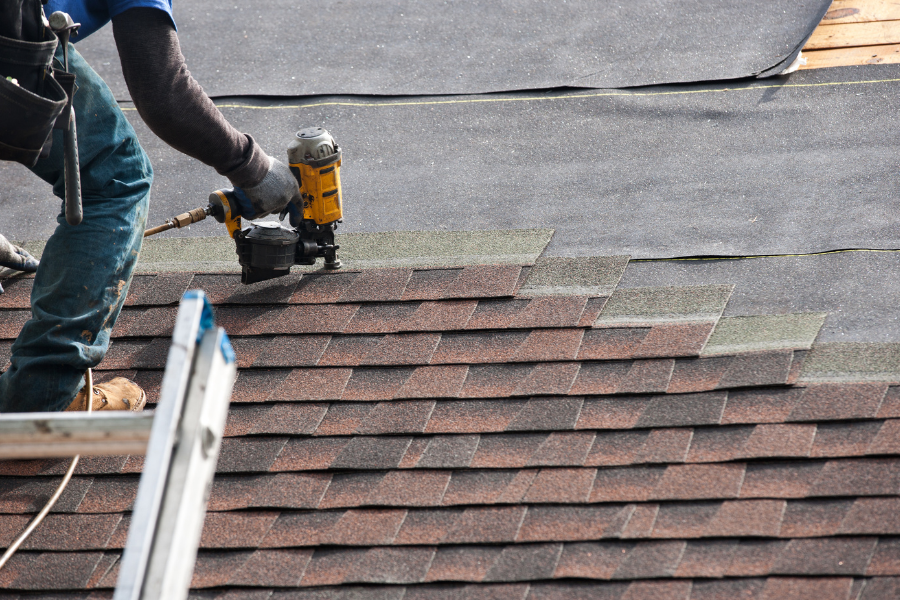
How Do I Prove a Roof Was Installed Wrong?
To prove a roof was installed wrong, compare what was built against the Florida Building Code, the manufacturer's installation instructions, and your contract, then document the gaps. Photos, the permit and inspection file, an independent roof inspection, and test cuts that expose nails, underlayment, and flashing are the evidence that turns a leak into a provable installation defect.
A roof that leaks, sheds shingles in an ordinary afternoon storm, or stains the ceiling within a few years of installation is often a workmanship problem, not wear and tear. Florida homeowners in Hillsborough, Pasco, Pinellas, and Polk counties see this on new builds and on reroofs alike. Founding partners Matthew Wilson, Lee Reeder, and Joshua Zudar represent homeowners in roofing and other construction defect claims against builders and contractors across Florida.
Contact our Tampa construction defect lawyers for a free consultation. Florida's construction defect deadlines run from dates in the permit file, and evidence of a bad installation can disappear the moment a contractor starts tearing off shingles.
What Are the Signs a Florida Roof Was Installed Wrong?
The most common signs of a poorly installed Florida roof are leaks within the first few years, shingles or tiles lifting in moderate wind, crooked or uneven courses, exposed or high nails, missing or bent flashing at walls and chimneys, water stains at roof-to-wall joints, and soft or sagging spots in the roof deck.
A roof in good condition should not fail early. When it does, the location of the failure often points to the cause. Leaks that show up where the roof meets a wall, a chimney, a skylight, or a valley usually trace back to flashing, the metal or membrane that directs water away from those joints. Shingles that blow off in a storm well below the product's rated wind speed often trace back to fasteners placed in the wrong spot.
Warning signs a Tampa Bay homeowner can spot from the ground or the attic include:
- Shingle rows that wander, gaps between tabs that do not line up, or shingles that look patched in mismatched colors.
- Nail heads visible on the surface of the roof, or shingles that lift easily at the edges.
- Missing drip edge along the eaves and rakes, which lets water wick back into the fascia and deck.
- Rust streaks or water staining below roof-to-wall intersections, often a sign of missing step flashing or kick-out flashing.
- Loose, cracked, or shifting tiles on a tile roof, or tiles that sound hollow underfoot because the adhesive or mortar set was not applied correctly.
- Daylight, damp insulation, dark stains on the underside of the roof deck, or a musty smell in the attic.
- Heat buildup and blistering shingles from blocked or missing attic ventilation.
What Evidence Proves Faulty Roof Installation in Florida?
Proof of faulty roof installation usually comes from five sources: dated photos and video, the building permit and inspection records, the manufacturer's written installation instructions and product approval, an independent inspection by a roofing consultant or engineer, and test cuts that show how the roof was actually fastened, underlaid, and flashed beneath the surface.
Each piece answers a different question. Photos show what failed and when. The permit file shows who did the work, what was approved, and when the work was signed off. The manufacturer's instructions show the correct method, and the independent inspection shows how the installed roof departs from that method.
- Your contract, proposal, and invoices. These documents show what the roofing contractor promised: the product, the underlayment, the fastening pattern, and any warranty terms.
- The permit and inspection file. Florida requires a permit for a reroof. The City of Tampa, Hillsborough County, and other local building departments keep records of the permit, the inspections, and any failed inspections.
- Florida Product Approval and manufacturer instructions. Roofing products used in Florida carry a state or local product approval that ties the product to specific installation requirements. A shingle or tile installed outside those requirements may not perform as rated.
- Manufacturer warranty correspondence. If the manufacturer denies a warranty claim because the product was installed incorrectly, that letter can become evidence against the installer.
- An independent roof inspection. A roofing consultant or structural engineer who did not install the roof documents each defect and ties it to the code or instruction it violates.
- Weather data. Wind and rainfall records for the date of a failure help separate an installation defect from genuine storm damage.
How Should a Tampa Homeowner Photograph a Defective Roof?
A Tampa homeowner should photograph a defective roof from the ground, the attic, and inside the home, with dated images that show both the wide view and close-ups of each problem. Keep the originals, record leaks while they are active, and never climb onto a damaged or wet roof to get a better shot.
Good photos tell a story someone else can follow. Start with wide shots of each side of the house so the location of every close-up is clear. Then zoom in on lifted shingles, exposed nails, missing flashing, and stains. Inside, photograph ceiling stains with a tape measure or ruler for scale, and photograph the same stain again each time it grows.
A few practical habits make photos far more useful later:
- Leave the date and location data on in your phone's camera settings, and back up the original files instead of screenshots or edited copies.
- Film active leaks during rain, including drips, buckets, and wet insulation.
- In the attic, photograph the underside of the deck around stains, nail tips, and any light coming through.
- Keep a simple log with the date, the weather, and what you observed each time water came in.
- Save any shingles, tiles, or flashing pieces that come off the roof in a labeled bag.
What Do Roof Test Cuts and Destructive Testing Show?
Roof test cuts show what a homeowner cannot see from the surface: where each nail was driven, how many fasteners hold each shingle, whether the underlayment and starter strips were installed, how the flashing was lapped, and whether the deck is wet or rotting. Test cuts are often the strongest proof that an installation departed from the manufacturer's instructions.
Destructive testing means removing small, controlled sections of a finished roof to inspect the layers underneath, then patching those openings. On a shingle roof, an inspector lifts or removes shingles to record nail placement against the manufacturer's nailing zone and checks the underlayment, drip edge, and starter course. On a tile roof, testing can reveal whether the adhesive or mortar paddies are the size and number the product approval requires, and whether the underlayment beneath the tile has failed.
Roofing consultants often pair test cuts with moisture meters, infrared scans, or controlled water testing to trace where water enters. For a closer look at how this process works in a defect case, see the WRZ Law guide on destructive testing in a construction defect investigation.
Does a Passed City or County Roof Inspection Mean the Roof Was Installed Correctly?
No. A passed building inspection does not prove a Florida roof was installed correctly. Inspectors check specific items at specific times, often without seeing every fastener or flashing detail. A passed inspection does, however, raise the bar for a building code claim under Fla. Stat. 553.84, so the evidence must show what the contractor knew or should have known.
Section 553.84 of the Florida Statutes lets a person damaged by a material violation of the Florida Building Code sue the party who committed the violation. The statute defines a material violation as a code violation in a completed building that may reasonably result, or has resulted, in physical harm to a person or significant damage to the performance of a building or its systems. A leaking roof that damages the roof system or the home's interior can meet that definition.
When the contractor pulled the required permits, the plans were approved, and the work passed every required inspection, Section 553.84 applies only if the contractor knew or should have known about the violation, unless there is personal injury or damage to other property. That is why the permit file, the manufacturer's instructions, and test-cut findings matter so much: together they show whether the problem was something a licensed roofer should have caught.
What Legal Claims Can a Florida Homeowner Bring Over a Badly Installed Roof?
A Florida homeowner with a badly installed roof may have claims for breach of contract, negligence, violation of the Florida Building Code under Fla. Stat. 553.84, and breach of any written warranty. Which claims apply depends on who installed the roof, what the contract says, and whether the defects violate the code.
- Breach of contract. The roofer or builder agreed to install a specific roof in a workmanlike way and failed to do so.
- Negligence. The installer failed to use reasonable care, and the failure caused damage to the home.
- Building code violation (Fla. Stat. 553.84). A material violation of the Florida Building Code caused damage, subject to the permit-and-inspection limit described above.
- Written warranty claims. A contractor's workmanship warranty or a manufacturer's product warranty may cover some repairs, depending on its terms.
Possible responsible parties include the roofing contractor, the general contractor or homebuilder on a new home, roofing subcontractors, and, when the product itself failed, the manufacturer or supplier. A homeowner can check a contractor's state license through the Florida Department of Business and Professional Regulation, since roofing work in Florida generally requires a licensed contractor under Chapter 489 of the Florida Statutes. For related reading, see whether you can sue a contractor for not pulling permits.
What Is a Chapter 558 Notice, and Does a Roofing Claim Require One?
A Chapter 558 notice is a written notice of claim that Florida law requires a homeowner to serve on the contractor, subcontractor, supplier, or design professional at least 60 days before filing a construction defect lawsuit, or 120 days for an association with more than 20 parcels. Roofing defect claims generally fall within Chapter 558.
The notice must describe each defect in reasonable detail, along with the resulting damage if known, and identify where each defect is located based on at least a visual inspection. Under Fla. Stat. 558.004, the homeowner does not have to perform destructive testing just to serve the notice. Serving the notice also pauses the statute of limitations for a set period.
Once served, the contractor generally has 30 days to inspect the roof and 45 days to respond in writing for a single-family home. The response may offer to repair, offer to pay, dispute the claim, or deny it. The homeowner then has 45 days to accept or reject an offer. Any destructive testing the contractor wants to do requires the homeowner's agreement and written details about who will test and what will be repaired afterward.
How Long Does a Florida Homeowner Have to Sue Over a Defective Roof?
Under Fla. Stat. 95.11(3)(b), a Florida homeowner generally has four years to sue over a defective roof, measured from the earliest of the certificate of occupancy, certificate of completion, or abandonment of construction. For a latent defect, the four years run from discovery, but the 7-year statute of repose still sets an outer limit.
A latent defect is one that a reasonable homeowner could not have spotted through ordinary observation, such as nails driven outside the nailing zone or flashing missing beneath finished shingles. A statute of repose is a hard cutoff that ends the right to sue after a fixed time, even if the defect was never discoverable. In 2023, Florida's SB 360 shortened the construction repose period from 10 years to 7 years and tied its start to the earliest of the certificate dates or abandonment.
Repairs do not reset these deadlines. Under the current statute, correcting or repairing completed work does not extend the limitations or repose period. A homeowner who spends a year waiting on patch jobs can lose time without realizing it. The WRZ Law posts on latent construction defects and the statute of repose explain these timelines in more detail.
What Should a Homeowner Avoid After Finding a Roof Installation Defect?
After finding a roof installation defect, a homeowner should avoid letting anyone tear off or replace the roof before it is documented, signing a release in exchange for a repair, throwing away removed materials, and relying only on the original roofer's explanation. Each of those steps can erase the evidence that proves how the roof was installed.
Temporary protection is fine and often necessary. A tarp over an active leak protects the home and limits further damage. The problem comes when a full repair or replacement happens first, because the nails, underlayment, and flashing that prove the defect go to the dumpster.
- Photograph everything before any repair, including temporary ones.
- Ask in writing for a copy of any report the contractor prepares after inspecting.
- Read any repair agreement for release language before signing it.
- Keep receipts for tarps, water mitigation, and interior repairs.
- Report damage to your homeowners insurer as your policy requires, and note that many policies exclude faulty workmanship but may cover resulting water damage. The Florida property insurance claims page covers how those claims work.
How Do Our Tampa Construction Defect Lawyers Handle Roofing Defect Cases?
Our Tampa construction defect lawyers handle roofing defect cases in stages: a free consultation and document review, an independent roof investigation, a Chapter 558 notice, and then negotiation, mediation, arbitration, or a lawsuit in Florida circuit court if the claim does not resolve. Each case is prepared as if it will go to trial.
- Consultation and document review. The contract, permit file, warranties, photos, and correspondence come first.
- Investigation. Our Florida roofing defect attorneys work with roofing consultants, building envelope consultants, and structural engineers who inspect the roof, perform test cuts when appropriate, and tie each defect to the code or manufacturer requirement.
- Chapter 558 notice. A detailed notice goes to the responsible parties, with a record of each inspection and response.
- Lawsuit or arbitration. If the claim does not resolve, the case is filed in the appropriate forum, such as the Thirteenth Judicial Circuit at the Hillsborough County Courthouse, or in arbitration if the contract requires it.
- Discovery, mediation, and trial. Depositions, document requests, and testimony from retained professionals build the record for mediation and, if needed, trial and appeal.
Why Choose Wilson Reeder & Zudar for a Florida Roofing Defect Case?
Wilson Reeder & Zudar is a Tampa trial firm founded in 2018 that represents Florida homeowners against builders and contractors. Matthew Wilson is Board Certified in Civil Trial Law by The Florida Bar, and Lee Reeder has presented on construction defect law at the Florida Conference of Circuit Judges' annual education program.
Matthew Wilson argued the Florida appellate cases Busch v. Lennar and Anderson v. Taylor Morrison and holds the Martindale-Hubbell AV Preeminent rating, as does Joshua Zudar, a third-generation Tampa native. Our Tampa construction defect attorneys prepare roofing cases for a judge, jury, or arbitrator from the start, with offices in Tampa, Tallahassee, Jacksonville, and Houston.
Contact Our Tampa Construction Defect Lawyers About a Roof Installation Problem
Contact Wilson Reeder & Zudar for a free consultation. Our main office is located at 12005 Whitmarsh Lane, Tampa, FL 33626, with offices in Tallahassee, Jacksonville, and Houston.
This post is attorney advertising. It provides general information about Florida law and is not legal advice. Reading it does not create an attorney-client relationship. Prior results do not guarantee a similar outcome.
Sources


